Funding the arts is good use of government money

(Above: A recent performance by the Blue Note 7 at the Gem Theater started this whole debate.)

By Joel Francis

Friend of the blog Plastic Sax ran a compelling editorial earlier this week about government sponsorships. The questions it raised about why classical music and jazz are the most heavily subsided genres and why private businesses featuring similar artists had to compete against government funds are worth greater discussion.

It seems the crux of the issues with subsidizing government sponsorships is that they run counter to the age-old capitalist creed of letting the marketplace decide. The folks at Jardine’s and The Phoenix work just as hard to bring people in to hear jazz as the Folly and the Gem, why aren’t they getting help?

At the risk of sounding like a socialist, The Daily Record believes there needs to be boundaries placed on the free market. Aside from public radio, there are no government subsidies on Kansas City’s radio dial, and the town has been without a jazz station and an FM classical station in nearly two decades. Beethoven will never bring the ratings that BTO seem to provide to the city’s countless classic rock stations, but does this warrant erasing classical music from the dial? How can an audience or appreciation be built in this void?

A case could be made that successful jazz clubs are penalized for their success, but the nights they compete with federally funded concerts are scarce compared to the evenings they have to themselves. Are the dozen shows each year at the Folly and Gem cutting that deeply into their profits? 

Jazz and classical music are funded because they’re the least controversial. They’re popular enough that most people will applaud the effort, but ignored enough that no one is going to waste the time digging into the music searching for scandalous meaning. There will never be a Piss Christ controversy with this music. However, imagine being the senator that suggests the National Endowment of the Arts support an evening of Slayer doing “Reign in Blood” at the Kennedy Center or a 20th Anniversary Death Row Records tour. This may not be fair, but equality is a rare visitor in the annals of politics.

It’s easy to be cynical and complain about an ever-dropping lowest common denominator. Jazz and classical artists will never be as popular as Ryan Seacrest and the latest American Idol, and “Nightline” and “Meet the Press” will never bring the ratings of “Two and a Half Men” and “Rock of Love Bus.” But that doesn’t mean work with greater meaning – whatever the medium – shouldn’t coexist with revenue-generating evanescence. A balance must be struck, and if it takes government funding to maintain that equilibrium, then the money should be spent.

Therefore, The Daily Record posits that if the government has billions of dollars each month to spend waging war and sustaining the defense industry, it should certainly continue to throw as many sheckles as possible into the arts, however they’re defined.

15 jazz greats to emerge in the last 20 years (part three)

(Above: Savion Glover does his thing with plenty o’ swing.)

By Joel Francis
The Daily Record

Continuing The Daily Record’s look at the state of jazz today, here is the final of three installments shedding light on 15 jazz greats to emerge in the last 20 years. Note that these musicians are not necessarily the 15 greatest jazz artists to arrive since 1990. A brief listen to any of them, though, should more than persuade the most ardent purist that jazz is alive and well.

Eldar Djangirov

Eldar Djangirov is the continuation of the great line of pianists to emerge from Kansas City, Mo. that stretches back to Count Basie and Jay McShann. The three have more than an adopted hometown in common, though. Although none were born in Kansas City, all experienced significant musical growth while living there. Unlike Basie and McShann, though, Eldar’s formation started before puberty. He performed at a Russian jazz festival at age 5 and at age 12 became the youngest guest ever on Marian McPartlan’s Piano Jazz radio show. Though his latest album is straight-up smooth jazz, Eldar’s earlier work has a breadth that recalls everyone from Ahmad Jamal to Art Tatum. Albums to start with: Eldar, Live at the Blue Note

Christian McBride

Bass player Christian McBride was mentored and hailed by no less an authority than Ray Brown before starting off on his own. McBride works comfortably in the traditional vein on his early albums like “Fingerpainting,” the excellent tribute to Herbie Hancock performed in a bass/guitar/trumpet setting. He gets more funky and touches on fusion with his three-disc live set recorded at Tonic and studio albums “Sci-Fi” and “Vertical Vision.” In 2003, McBride collaborated with hip hop drummer Ahmir “?uestlove” Thompson of the Roots and keyboardist Uri Caine for a spectacular collaboration known as the Philadelphia Experiment. McBride has also worked extensively with Sting and Pat Metheny. Albums to start with: Fingerpainting, The Philadelphia Experiment.

Joshua Redman

Expectations have been high for Joshua Redman since winning the Thelonious Monk International Jazz Saxophone Competition in 1991. While Redman hasn’t fulfilled those unrealistic expectations by taking his instrument to the heights achieved by Sonny Rollins and John Coltrane, he has built a strong career on his own terms. Redman’s early quintets helped launch the careers of Christian McBride and Brad Mehldau and his work as musical director of the San Francisco Jazz Collective paired him with legends like Bobby Hutcherson and new artists like Miguel Zenon. Redman’s catalog is adventurous enough to include covers of Eric Clapton’s “Tears in Heaven” with guitarist Pat Metheny and funky experiments that recall Eddie Harris. Albums to start with: Spirit of the Moment, Back East.

Savion Glover

Jazz tap may have died with the golden age of big-budget Hollywood musicals, but Savion Glover is trying his best to bring it back. He has appeared in televised concerts with Wynton Marsalis’ Jazz at the Lincoln Center Orchestra, collaborated with poet Reg E. Gaines and saxophone player Matana Roberts for the John Coltrane-inspired improve “If Trane Was Here,” appeared in Spike Lee’s “Bamboozled” and was a cast member of “Sesame Street.” Glover hasn’t recorded any albums, but his live performances are a potent reminder that jazz isn’t the exclusive province of those with a horn or a voice.

Bad Plus

Combining rock and jazz is nothing new, but the piano/drums/bass trio Bad Plus have done it in an acoustic setting that resembles Medeski, Martin and Wood more than Weather Report. Their early albums were filled with original material that split the difference between Oscar Peterson and Ben Folds, tempered by occasional arrangements of Pixies and Black Sabbath classics. Unfortunately, recent releases have steered sharply away from new compositions and saturated the increasing covers with more irony. While the concept of their newest album – all covers with a female vocalist – makes one wary, their early material should not be overlooked. Albums to start with: Give, Suspicious Activity.

Keep Reading 15 Jazz Greats to Emerge in the Last 20 Years

Part One

Part Two

Five Legends Still Adding to Their Legacies

15 jazz greats to emerge in the last 20 years (part two)

(Above: The Kora Jazz Trio in concert.)

By Joel Francis

Continuing The Daily Record’s look at the state of jazz today, here is the second of three installments shedding light on 15 jazz greats to emerge in the last 20 years. Note that these musicians are not necessarily the 15 greatest jazz artists to arrive since 1990. A brief listen to any of them, though, should more than persuade the most ardent purist that jazz is alive and well.

Ravi Coltrane

Not only has Ravi Coltrane followed in his famous father’s footsteps as a musician, but he’s established himself with his dad’s instrument. The child of John and Alice Coltrane (Ravi was two when his dad died), Ravi cut his teeth with McCoy Tyner and Elvin Jones before finally stepping out on his own. In little over 10 years, he’s build a strong catalog that would sound just as sweet under a different surname. Coltrane is currently on the road in a new septet celebrating 70 years of Blue Note Records. Albums to start with: Mad 6, In Flux.

Kora Jazz Trio

Comprised of pianist Abdoulaye Diabaté (who is not related to kora master Toumani Diabate), griot percussionist Moussa Sissokho and kora player Djeli Moussa Diawara, this trio deftly blends their African heritage with American jazz. Throughout their three albums, they have tackled songs by Charlie Parker, Thelonious Monk and the Buena Vista Social Club and delivered over a dozen dazzling originals. Imagine McCoy Tyner getting lost in an African marketplace and you’re getting close. Albums to start with: Part II, Part III

Diana Krall

Pianist and singer Diana Krall grew up surrounded by her dad’s extensive collection of Fats Waller albums, but ended up with a style and sound closer to that of Ralph Sharon, Tony Bennett’s longtime arranger and accompanist. Although Krall’s music is certainly not aggressive or pushing any boundaries, dismissing her music as smooth jazz for dinner parties would be a mistake. Her performances of Irving Berlin, Cole Porter and Jimmy McHugh have a freshness, energy and vitality lacking in other “supper club” performers. Krall’s most recent album, “The Girl in the Other Room,” leans heavily on original material written with her husband, Elvis Costello. Albums to start with: Love Scenes, The Girl in the Other Room

Medeski, Martin and Wood

Decades of touring have made the bass/keyboard/drums trio of Medeski, Martin and Wood one of today’s tightest ensembles. Their experimental, groove-based sound is broad enough to be equally at home at both Newport and Bonnaroo without changing a thing. Early pieces like “Hermeto’s Daydream” sound like Dave Brubeck run through “A Clockwork Orange,” while newer material features hip hop artists like DJ Logic, and guitarists Marc Ribot and John Scofield. Albums to start with: Notes from the Underground, Combustication.

Jason Moran

Pianist Jason Moran only has 10 years of recording under his belt, but he’s covered a lot of territory in that time. His albums contain interpretations of Prokofiev and Afrika Bambaataa interspersed with original compositions and spoken-word pieces. In addition to releasing seven albums under his own name, Moran has worked and recorded with Andrew Hill, Cassandra Wilson, Christian McBride, Don Byron, Ravi Coltrane and dozens more. Only 34 years old, Moran is just getting started. Albums to start with: Modernistic, Same Mother

Keep Reading: 15 Jazz Greats to Emerge in the Last 20 Years

Part One

Part Three

Five Legends Still Adding to Their Legacies

15 jazz greats to emerge in the last 20 years (part one)

(Above: Brad Mehldau performs an arrangement based on Radiohead’s “Exit Music (For A Film).”

By Joel Francis

Continuing The Daily Record’s look at the state of jazz today, here is the first of three installments shedding light on 15 jazz greats to emerge in the last 20 years. Note that these musicians are not necessarily the 15 greatest jazz artists to arrive since 1990. A brief listen to any of them, though, should more than persuade the most ardent purist that jazz is alive and well.

Roy Hargrove

Over the past 20 years, Roy Hargrove’s trumpet has proven to be one of the most versatile instruments ever. He’s equally at home conjuring Cuba on his own or summoning the spirit of African rebellion with rapper Common. Although Hargrove has yet found a way to reconcile his split personalities, he has built a strong catalog. In the Roy Hargrove Quintet, Hargrove works the more traditional mold forged by Freddie Hubbard and Clifford Brown. The RH Factor is the less-focused urban playground where Hargrove’s funky side comes out. Albums to start with: Habana, Earfood.

Brad Mehldau

Pianist Brad Mehldau cut his teeth working with saxophonists Joshua Redman and Wayne Shorter before striking out on his own. His lengthy concert arrangements often leave no stone unturned. Although his classical approach to playing is influenced by Bill Evans, Mehldau has no problem converting songs by Radiohead, the Beatles and Nick Drake into extended jazz workouts and placing them on footing equal to George Gershwin and Cole Porter standards. Mehldau made albums with opera singer Renee Fleming, guitarist Pat Metheny and pop producer Jon Brion without pandering on any project. Albums to start with: Back at the Vanguard, Day is Done.

Madeleine Peyroux

Singer Madeleine Peyroux’s voice sounds more than a little like Billie Holiday, but her style is closer to Joni Mitchell’s. Born in the South, raised in New York and California and seasoned in Paris, Peyroux splits the distance between jazz, folk and pop. Her interpretations of Leonard Cohen, Bob Dylan and Hank Williams numbers made her a star on Lilith Fair stages a decade ago and earned her acclaim as the “Best International Jazz Artist” by the BBC in 2007. Albums to start with: Dreamland, Half the Perfect World.

Miguel Zenón

Puerto Rican saxophonist Miguel Zenon recalls the tasteful, silky tone of Paul Desmond. In little more than five years, he’s released four albums, worked as a founding member of the SF Jazz Collective, won the Best New Artist award from JazzTimes in 2006 and named Rising Star-Alto Saxophone for three consecutive years in the Down Beat Critic’s Poll. While Zenon’s horn rests easily on the ears, his arrangements capture the spirit of his native island through insistent originals and unlikely hymns like “Great is Thy Faithfulness.” Albums to start with: Jibaro, Awake.

Maria Schneider

Maria Schneider’s compositions for her jazz orchestra have been some of the most ambitious works in the jazz canon since the heyday of the Duke Ellington Orchestra or Dave Brubeck’s late-’60s expositions. At once sweeping and evocative, Schnieder’s near-classical pieces reveal the deep influence of Gil Evans. The cinematic expanse of her work takes the listener on a journey where everyone from George Gershwin to Gustav Mahler is likely to appear. Albums to start with: Evanescence, Sky Blue.

Keep Reading: 15 Jazz Greats to Emerge in the Last 20 Years

Part Two

Part Three

Five Legends Still Adding to Their Legacies

2009 Grammys: A Running Diary

The last time The Daily Record watched a complete Grammy Awards show, “O Brother Where Art Thou?” won Album of the Year. This year, though, we got suckered in by the promise of seeing Radiohead. (Have they won a Grammy? Wikipedia says yes.) This presented the perfect opportunity to do one of those running diaries like Bill Simmons does for ESPN. We not may be as successful, but the official wife of The Daily Record was glad her husband’s snarky comments were bypassing her ears and going straight online, where she could ignore them more easily. Enjoy!

7:00 U2’s new song sounds like Bob Dylan’s “Subterranean Homesick Blues.”

7:02 The lyrics to their new song “Get On Your Boots” appear on a large video screen behind the band. I wonder if this is what all the presenters will see on their Teleprompters.

7:09 Whitney Houston comes out to present the award for “Best R&B Album.” Forget Botox – cocaine must be the secret to a younger looking face.

7:10 Seriously, Houston looks like she has been stored in the freezer next to Ted Williams for the last 10 years.

7:12 The Rock is as good a comedian as he is an actor.

7:17 Justin Timberlake and Keith Urban paying tribute to Al Green is like Henry Kissinger and Dick Cheney giving props to Barack Obama.

7:21 First commercial break. High-powered bloggers use this time to make snarky comments about commercials too. Unfortunately, The Daily Record has no corporate sponsorship. We’ll use this time to do glamorous things like take out the trash and recycling, pull stuff together for work tomorrow.

7:26 For a second, I thought Chris Martin was Paul McCartney sitting at his Magical Mystery Tour piano.

7:28 Let the haters hate; Jay-Z is still great.

7:29 How come Coldplay get to play two songs? I wonder if Joe Satriani will come out. Probably not.

7:30 Coldplay’s Beatles motif is reinforced with their Sgt. Pepper jackets.

7:33 Although representatives insist that all Grammy performers will not perform to a backing track like Bruce Springsteen did at last week’s Super Bowl, you have to be suspicious. It’s not like the music industry is a bastion of integrity.

7:34 Why does “country” singer Carrie Underwood rock harder than “rock stars” Coldplay?

7:35 I have no idea what Carrie is singing. I think it’s something about how long it took to get her legs waxed. Damn them’s some shiny gams!

7:36 Carrie’s guitar player looks like Lita Ford’s daughter.

7:38 Why does Sheryl Crow, 46, look younger than LeAnn Rimes, 26?

7:39 Congratulations, you’ve won a Grammy Lifetime Achievement Award. We will now honor you with a 15 second black and white video clip. Why not let the recipients perform?

7:48 Hey, Coldplay just acknowledged my Sgt. Pepper’s joke!

7:49 Man, Kid Rock really, really likes Bob Seger.

7:58 Taylor Swift and Miley Cyrus are performing together for the first time, but they won’t let the guys playing acoustic guitars and bass onstage with them.

7:59 It’s really bugging me that they won’t let the band perform onstage. What were they told? “OK, here’s the deal. You four will sing backing vocals, provide rhythm support, fine, you’ll carry the whole thing – but we don’t actually want anyone to see you do it.” Was there not enough crawlspace under the stage to stuff them in there?

8:02 A seated Tylor Swift just said “If you’re 19, or even older, it’s still a thrill to stand on the Grammy stage.” Man, she is going to have a long time to be depressed.

8:03 Robert Plant and Allison Krauss just won AWARD. But even better news is that they’re working on a new album together.

8:05 This is why we don’t need a Whitney Houston comeback. Jennifer Hudson is both more talented and a more substantive person.

8:15 What the? Stevie Wonder is jamming with the Jonas Brothers. Half the audience is wondering who the old dude is and everyone else is wondering what he’s doing playing with them. Thing is, it doesn’t sound half bad. Then again, I’m a sucker for Stevie’s vocoder trick.

8:16 Any excuse to hear “Superstition” is a good thing. I’ll never buy a Jonas Brothers album, but I thank them for this moment.

8:17 Seriously, you know your songs kick butt when Disney-sponsored tweener heart-throbs can’t screw them up. Not even Celine Dion could ruin this moment.

8:19 I hear Blink 182’s next album is going to be a tribute to Def Leppard.

8:20 Do Coldplay have to mention the Beatles every time they take the podium? Pretty soon Ringo will be onstage with them refusing to sign autographs.

8:27 Don’t forget, Craig Ferguson writes all his own material.

8:29 Am I the last person on Earth to be hearing “I Kissed A Girl” for the first time right now?

8:30 Why is Katy Perry dancing in Carmen Miranda’s headdress? This segment must be sponsored by Chiquita.

8:31 Am I the only person on Earth to feel like he hasn’t missed anything by not hearing “I Kissed A Girl” until now?

8:32 I don’t know the song Kanye West is doing with Estelle, but “808s and Heartbreaks” is really growing on me.

8:33 Kanye is taking this ’80s fixation a bit too far. Next year he’s going to come out wearing a Huxtable sweater.

8:41 I don’t care how long he keeps wearing it, that earring is never going to look natural on Morgan Freeman.

8:45 Sean “Puffy” Combs, Natalie Cole and Herbie Hancock are on hand to present “Record of the Year.” One of these things is not like the other (in a good way).

8:46 Natalie Cole’s dress looks like a last-minute compromise from the outfit Lil Kim wore on the MTV awards a few years back.

8:47 Plant and Krauss just won again. Robert Plant might have the most successful post-supergroup career of all time. OK, maybe Paul McCartney – but Plant’s taken more chances.

8:53 They just gave a Lifetime Achievement Award to Dean Martin. I guess we now know why they don’t have these winners perform, but why’d the take him so long for Martin to get this award? He’s been dead for awhile, but he certainly had the sales and popularity when he was alive. Maybe next year they’ll finally get around to honoring Bing Crosby.

8:54 I’m not sure why M.I.A. had to secede the stage so quickly. How cool would it have been if Mick Jones and Paul Simonon came out to do “Paper Planes” with her?

8:55 Kanye, Jay-Z, T.I. and Lil Wayne’s performance together is being called a “historic hip hop summit.” The tour kicks off next month in Yalta.

8:57 M.I.A.’s polka-dot pregnancy outfit is sponsored by Buddy Guy’s guitar.

9:00 I can’t believe I’ve sat through two hours of this show … and still have 90 minutes to go.

9:01 If I were going to have Dave Grohl drum with Paul McCartney I’d give him something a little meatier than “I Saw Her Standing There.” Maybe “Band on the Run” or “Helter Skelter.” I’m just saying.

9:10 Feed just went out as John Mayer was accepting an award. I guess my TV isn’t much of a fan either.

9:11 Jay Mohr and LL Cool J is one of the most awkward pairings of the night. Then again, Jay Morh and anyone is an awkward arrangement.

9:15 Sugarland and Adele aren’t really performing “together for the first time” as promised, but “one right after another.” Eh.

9:17 Oh, here’s Sugarland. She added that one essential line at the end of the song.

9:23 Gwyenth Paltrow is wearing a mirror ball. Dance party!

9:24 Radiohead is performing with the USC Marching Trojans. Man, first those guys get to play with Fleetwood Mac and now they’re backing up Radiohead. I wonder which was more rewarding.

9:25 Someday, future generations will worship Radiohead like we celebrate the Beatles.

9:27 Is it still Radiohead when it’s just Thom Yorke and Jonny Greenwood? Survey says, who cares? Radiohead in any form is better than anything else we’ve seen tonight.

9:28 OK, better than everything except Carrie Underwood’s legs – but I’m still not buying her album.

9:30 If you are still reading this, you are officially my new best friend. Please leave a comment to receive a special prize.

9:34 Justin Timberlake is performing in a coat and scarf. How did he know snow was in our forecast?

9:35 The stocking cap on T.I.’s head looks like a reservoir tip.

9:36 I don’t think switching back and forth between two distinct songs should count as collaboration. It’s more like a musical debate where the listener always loses.

9:38 Recording Academy president Neil Portnow rejected the traditional tirade against music piracy to talk about MusiCares and promote a Secretary of the Arts cabinet position.

9: 42 Portnow is done, but I’m kinda bummed he didn’t bring up piracy. I had a great line to use when he did: “Recording Academy president Neil Portnow is still talking about music piracy. This guy is slower than Rapidshare.”

9:44 Not even Smokey Robinsons sings the Four Tops as well as Levi Stubbs. Rest in peace, Levi.

9:45 It would be cool if the producers rounded up the remaining Funk Brothers as backing musicians for this Four Tops tribute.

9:52 Neil Diamond is singing “Sweet Caroline” and millions of Red Sox fans are crying because their season hasn’t started yet. Pitchers and catchers report in less than a week, boys.

9:54 Am I the only one that finds it kind of sad that Diamond’s expansive catalog has been reduced to just one song? And that “Sweet Caroline” is that song? It’s like if people only remembered Bob Dylan for “Quinn the Eskimo (The Mighty Quinn).”

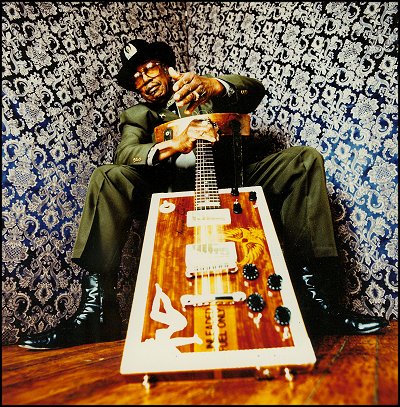
9:59 Paying tribute to Bo Diddley are Buddy Guy, B.B. King, John Mayer and Keith Urban (because you know if any two performers have influenced Urban’s style and career its Al Green and Bo Diddley). Best rhythm in rock and roll.

10:00 I make that joke earlier about Buddy Guy’s guitar and he shows up here playing a gold top Les Paul. I’m not sure I’ve ever seen him rock a since his days on Vanguard.

10:08 Allen Toussaint is supposed to appear with Lil Wayne with Robin Thicke. I bet those two would be surprised to learn that Toussaint has written more hits than both of them combined.

10:10 I wonder why the producers haven’t rolled out one of those “for the first time ever” duets between Thicke and Timberlake? Probably because no one could tell them apart.

10:11 Allen Toussaint with the Dirty Dozen Brass Band and Terence Blanchard falls just short of topping Radiohead for best musical moment of the night – but it’s close. No American city makes more consistently fun music than New Orleans (although a case could be made for Memphis).

10:14 Will.I.Am just congratulated Obama. Who could have seen that coming? Next year, Will.I.Am will receive a record number of Grammy nominations for his album “Obamania: Songs About Barack Obama, Because I Love Barack Obama by Will.I.Am (for Barack Obama).”

10:24 Robert Plant and Allison Krauss are performing with T-Bone Burnett. Krauss’ hair keeps blowing back. Now I know why Justin Timberlake was wearing a coat and scar earlier.

10:25 I love “Raising Sand” as much as the next person, but that album came out in 2007. Why are the Grammys acting like it’s a new release?

10:26 The Grammys operate on such a loopy nomination calendar that a band’s previous and forthcoming albums can both be eligible at the same time.

10:27 The producers rightly made a big deal of T-Bone being on stage, but there was no mention of Buddy Miller holding down rhythm guitar. Therefore, I’d like to take this moment to give Buddy props for being a spectacular musician.

10:28 Album of the Year goes to “Raising Sand.” If it wasn’t going to be “In Rainbows” this is where it should have gone. (Seriously, does anyone else find it odd that both of these albums were released 16 months ago?)

10:30 Robert Plant started his career in 1968. You can fill a matchbook with a list of all tonight’s performers and honorees we’ll still be talking about 40 years from now.

10:32 Stevie Wonder is playing us home. See you in seven years, Grammys!

Flaming Lips deserve Super Bowl halftime show

(Above: Picture this on the 50-yard line: the Flaming Lips, “Race for the Prize.”)

By Joel Francis

The five years since Janet Jackson’s Super Bowl halftime “wardrobe malfunction” two things are clear: Nipple shields have not become the must-have fashion accessory everyone predicted; and halftime shows have never been better.

It would be easy to get tired of all the blue-chip baby boomer performers if they didn’t put on such compelling shows. The Rolling Stones abysmal 2006 act aside, it doesn’t get much better than hearing “Drive My Car” and “Runnin’ Down A Dream” at halftime. Yeah, they’ve been done to death, but they’re a lot better than whatever song Janet and Justin Timberlake were singing and Aerosmith’s pairing with Britney Spears. Does anyone remember those songs today?

Even fans tired of the oldies can’t argue with the energy that propelled Prince’s set in 2006 and Bruce Springsteen’s show last night into the top echelon of pop music performances.

Which is exactly why it’s time to change things up. The canary is choking; there’s not much more ore in the vein the NFL has mined these past five years. Let’s stop now, before Fleetwood Mac and the Eagles are serenading us with mid-game naps. It’s time to take the halftime show in a new direction. A direction hinted at in 2002 when U2 were brought in to play: dynamic bands that can connect with a huge audience, playing high-energy hits written within 20 years of their performance.

The Flaming Lips are the perfect band to open this new era. Imagine frontman Wayne Coyne rolling over the crowd in his giant hamster ball as “Race For the Prize” blasts through the stadium. Lasers penetrate the clouds of smoke as confetti, streamers and balloons rain on the crowd. Did we mention the Lips also come with their own space aliens and super heroes? Oh, and a flying saucer?

In their 25-year history, the Lips have twice rocked the massive crowds at Bonnarro and will have no problem connecting to the fans in the upper deck or on the couch. Their songs may not be as universally known as “American Girl,” but “She Don’t Use Jelly” was an MTV staple big enough to land the band on “Beverly Hills 90210.” And the “Yeah Yeah Yeah Song” will have as many people signing along as the outro of “Hey Jude.” The biggest obstacle will be cleaning up all the joyous debris on the field (lay down a tarp) and getting everyone to settle down enough to concentrate on the resumed game.

It wasn’t that long ago that the Blues Brothers (minus John Belushi) and Miami Sound Machine were given center-stage at the world’s biggest intermission. But there is a midway point between dinosaur bands and Top 40 vapidity. Once the Flaming Lips remind the audience of this territory, bands like the Foo Fighters, Arcade Fire and Robert Randolph and the Family Band are perfect future candidates.

Inoffensive doesn’t have to be the antonym of adventure. The Flaming Lips are the embodiment of the party atmosphere the NFL wants the Super Bowl to inhabit. It’s time to let them take the stage. Book them for 2010.

Read The Daily Record’s coverage of the Flaming Lips at Wakarusa in 2006 and 2008.

Bird lives! (and so will jazz)

(Above: Mos Def is a rapper, but his song “Umi Says” has a very jazzy feel.)

By Joel Francis
The Daily Record

The New York Times jazz and pop critic Ben Ratliff participated in a very enlightening Q and A with readers yesterday. It seems Kansas City jazz fans, like our friend at Plastic Sax, aren’t the only ones obsessed about the state of the genre.

Several people asked Ratliff why jazz didn’t have a bigger audience, what the media’s responsibility is to promote jazz to a larger audience, if there is a stigma against jazz in mainstream culture and, most bluntly, whether jazz was dead.

Similarly, several readers were concerned about the legacy of today’s jazz artists. They asked which contemporary artists have the best potential to join the pantheon of innovators like Miles and Duke, and whether the current crop of players are pioneers or regurgitators. One bold reader actually called out the elephant likely hiding behind many of these questions. “Pretty much all jazz sounds the same today,” he said.

It seems that just as baseball fans can’t wait to compare Albert Pujols to Stan Musial, jazzheads love debating the merits of John Medeski to Jimmy Smith or Joshua Redman to Sonny Rollins. They (we) are forever insecure that our moment in the sun won’t measure up to the established legacy. They are right. Just as no contemporary president will be as lauded as the Founding Fathers, and no slugging outfield can surpass Babe Ruth’s mythology, there is no way that the abilities of Jaco Pastorius or Christian McBride can exceed the monumental achievements of Charlie Mingus and Ray Brown.

But that doesn’t mean they can’t all be enjoyed. Trumpeter Roy Hargrove hasn’t redefined the instrument the way Louis Armstrong did in the Hot Five and Hot Seven, but I think his playing on D’Angelo’s “Voodoo” and Common’s “Like Water For Chocolate” is inventive and unique. There is no comparison between the works, because they can’t be compared. They exist in different worlds. And questions about “is it jazz” are as silly and insignificant as whether or not poker or Nascar are sports. It doesn’t matter.

One of the elements I enjoy most about jazz is watching how it absorbed in reinterpreted in new contexts. One can hear the free jazz influence of John Coltrane and Pharaoh Sanders in both the Stooges and the Soft Machine, but what they did with it was drastically different.

Ironically, “fans” might be the only ones worrying or arguing about these issues. Just as Hargrove had no problem working with Common and D’Angelo, I’m sure Ron Carter didn’t hesitate before recording with A Tribe Called Quest and Black Star. Artists make art, not distinctions.

To these ears, pieces like “Water” from the Roots’ album “Phrenology” or Mos Def’s “Modern Marvel” from “The New Danger” embody the spirit of jazz as much as anything Rudy Van Gelder recorded for Impulse or Blue Note.

Just as folk music survived the birth of the electric guitar (and Bob Dylan plugging in), and Sacred Harp has peacefully coexisted with gospel, jazz will survive. It will not be preserved in amber, but it is too indelible to be erased from American culture.

Although Ratliff’s answers were thoughtful and informative, he failed to pass along one key piece of advice to the Chicken Littles so worried about the future of their art: Pick up a horn and do it yourself.

Bo Knows Hollywood

bo-diddley

By Joel Francis

After last week’s three-part history of Chess Records, several readers wrote in expressing disgust that Bo Diddley was ignored in the film “Cadillac Records.”

It appears Diddley may be having the last laugh. The New York Post reported yesterday that a deal is underway with Apostle Pictures for a documentary on the late rock and roll godfather.

Margo Lewis of Talent Source, Diddley’s management company, gave the money quote:

“It’s no secret that Bo had real issues with the Chess brothers and their ‘creative accounting practices.’ It was Bo’s recollection that every time he or another performer would go into the Chess offices to ask for their royalties, they were given the keys to a new Cadillac instead. So, in that regard, at least they got the title of the movie right. Regardless, we are completely shocked that the producers would omit such a seminal figure as Bo.”

After watching other Chess stars like Chuck Berry deservedly reap the rewards for their musical innovations, it will be nice when Diddley finally gets his overdue props. Here’s hoping the new film is as good as “The Howlin’ Wolf Story.”

Reunion bands: Ain’t nothing like the real thing

(Above: The two original members of Lynyrd Skynyrd and five other guys play “Free Bird.”)

By Joel Francis

When the Temptations and Four Tops took the stage Saturday night with only one original member in each ensemble, it raised questions of truth in advertising. Can a band be billed by its legendary name if only one of its musicians is an original legend?

Few bands are as fortunate as Los Lobos and U2 to have retained the same personnel since their debut. Some bands, like Wilco, have a different lineup on nearly every album.  But the reunion craze has accelerated hiring ringers to fill in for dead or uncooperative musicians.

When Journey played the Midland a few weeks ago, longtime singer Steve Perry had been replaced with Filipino Arnel Pineda, who was 8 years old when the band’s first album came out. No one complained, but Pineda’s job is essentially to sound like Perry while founding guitarist Neal Schon and the rest of the band deliver their signature sound.

Similarly, Yes were primed for a 40th anniversary tour when lead singer Jon Anderson fell ill. Rather than cancel the tour, the remaining members, who include Oliver Wakeman, son of original keyboardist Rick Wakeman, recruited a new singer off YouTube.

The majority of fans will tolerate a minor substitution. There were no grumbles when bass player Eric Avery sat out Jane’s Addiction’s second go-round. Most fans will recognize that age and time will prevent everyone from taking part. But when the skeleton of the original crew drag new faces out under the old name, it starts to take advantage of the people who kept the hunger for a reunion alive.

There’s also a slight double-standard in play. Few Beatles fans would be satisfied with a Beatles “reunion” featuring Paul, Ringo, Julian Lennon and Dhani Harrison, but The Who have completed not one but two successful (read: lucrative) tours minus the late John Entwistle and Keith Moon. Of course a true Fab Four reunion never happened, while The Who have launched a handful of “farewell” tours, but the rhythm section of Moon and Entwistle defined The Who’s sound just as much as John and George did for the Beatles.

Swapping drummers and bass players is one thing, but the road to finding a new frontman is fraught with peril. INXS failed miserably in their reality TV quest to carry on after the premature death of Michael Hutchinson. However, 14 years after Freddy Mercury died, Queen – minus drummer John Taylor – reconvened with former Free and Bad Company vocalist Paul Rogers. Many of the band’s East Coast concert date sold out quickly.

When Ray Manzarek and Robby Krieger hired Cult singer Ian Astbury to hit the road as The Doors they were faced with a lawsuit from drummer John Densmore and forced to tour as Riders on the Storm. The moniker didn’t alter any setlists, but it at least let the fans know they weren’t getting the same guys that worked together in the ‘60s.

Then there are the jazz orchestras that continue to tour despite the death of their bandleader. The Count Basie and Glenn Miller orchestras draw decent crowds when they visit the area, despite Miller’s disappearance during World War II and Bill Basie’s death a mere 25 years ago. The Gem Theater will host a Jazz Messengers reunion concert on October even though bandleader Art Blakey died in 1990.

The reason why a musician will resurrect his old band with ringers is obvious: Billy Corgan will sell a lot more tickets and albums as the Smashing Pumpkins than he would alone. And while there’s no clear-cut solution, I think this is a rare example of capitalism and artistry joining forces to provide the ultimate answer.

If a band’s catalog is strong enough, fans won’t mind shelling out $30 to $50 as they did Saturday night at Starlight to hear someone else sing “My Girl” and “Baby I Need Your Loving.” On the other hand, if bands plug on minus crucial components, they might be confined to the state fair/town festival circuit Three Dog Night and the Guess Who have been riding for years.

Kansas City Rocks Out


(Note: the following feature appeared in the April, 2008 issue of KC Magazine.)

By Joel Francis

When Keenan Nichols was 19, he couldn’t wait to get out of Kansas City. The Avondale native and North Kansas City High School graduate wanted a bigger city where he had a better chance of making a living as a guitarist. He escaped to a town with a more promising music setting-Dallas.

“The scene in Dallas was great at first, but over the last few years, it started dying off,” Nichols said. “Everyone down there lost interest in live music. Everything became a race to become the next Miami and see who could build the most dance clubs.”

When Nichols came back to Kansas City on visits, he’d catch glimpses in his hometown of what he’d hoped to find in Dallas. Even­tually, he moved back.

“It seemed like the scene had grown up a little bit,” said Nichols, guitarist for the hard rock band The Architects. “With that distance, I gained a big appreciation for everyone here sticking to their guns and trying to make things happen.”

Scott Hobart moved to Kansas City in 1989 to take classes at the Kansas City Art Institute, but he found himself gravitating to the clubs more than the classrooms. Hobart was a member of the hard rock band Giant Chair when he had a change of heart (and name) and started writing country songs. Rex Hobart and the Misery Boys cel­ebrated 10 years of honky tonk last December.

“I’ve never felt stifled geographically by playing in Kansas City,” Hobart said. “Being a country band, people always ask us why we aren’t in Nashville. Nashville’s inundated. Our music doesn’t mean anything there. There’s something more original about playing here. You can’t just be in a band to impress someone. It has to mean something.”

In the neighborhood

The desire for musical integrity, which is shared by many Kansas City bands, translates to a neighborhood of musicians who collaborate more than compete.

“The greatest thing about our scene is that it is so supportive,” said Auggie Wolber, mem­ber of Americana band In the Pines. “We’ve all played together so long, everyone has gotten to know each other.”

The spirit of fraternity is reflected in the number of benefit shows thrown for other musicians. When blues guitarist Danny Cox’s house burned down in January, several bands (including Irish ensemble The Elders) eagerly signed on to perform at a sold-out benefit con­cert. That same spirit showed at a successful 2006 benefit for Blackpool Lights drummer Billy Brimblecom.

Making the decision to help Billy was not difficult for The Architects.

“Our old band and his old band had done some touring together and become pretty close. If he had needed a transplant, I would’ve con­sidered it,” said Architects singer Brandon Phillips. “It turned out he only needed us to play [for] 45 minutes and not get paid.”

Audiences show the same supportive spirit.

“The biggest show of support I’ve seen was when I was playing hard rock and de­cided I wanted to sing songs with a story in front of a country band,” Hobart said. “It may have confused some people at first, but everyone I knew from the rock side came out to hear me, and they’ve supported me the whole time.

“If you can switch genres drastically and have people willing to try it on some level, it proves the open-mindedness and good nature of our community,” Hobart said.

It also means more musical diversity. A punk band might play Davy’s Uptown op­posite a country band at the Record Bar one night, but the next day those same clubs may offer blues or indie rock.

“One of the great things about this town is you can go to the Re­cord Bar and see Rex (Hobart) and have dinner, or you can go to Davy’s Uptown and hear free jazz,” said Wolber of In the Pines.

The success of First Fridays and the revitalization of downtown points to the appetite and appreciation Kansas Citians have for the arts.

“I’m always surprised at how many people turn out for The Pitch Music Showcase,” said Record Bar co-owner and Roman Numerals instrumentalist Steven Tulipana. “Five bucks gets you all over town to hear different kinds of music.”

Ayo Technology

In the past, record stores provided an outlet for local artists with in-store performances and prominent displays. Today, Myspace pages and email lists provide a level of promotion and exposure that reaches far be­yond stapling a flier to the wall.

Just ask Adam McGill of The Republic Tigers, a local band re­cently signed to an imprint of Atlantic Records and discovered via the band’s Myspace site.

“An A and R (artist and relations) rep with Atlantic found us on our site and started talking with us,” McGill said. “She asked for a CD and then passed it on to Alexandra.”

Alexandra is Alexandra Patsavas. The name might not be familiar, but the TV shows for which she selects music are-“Grey’s Anatomy,” “Numb3rs” and “Gossip Girl.” Patvas loved the band and made them the first act signed to her Chop Shop Records label. The Republic Tigers’ debut album was just released earlier this spring.

Similarly, Olympic Size found one of their songs featured prominently on MTV’s “The Real World” thanks to a pitch from Anodyne, a local record label. It’s an impressive feat for anyone, let alone a band without a long-term record contract or even a finished album.

“I think you’re more likely to get discovered out of Kansas City than you are in a big city where you’ll get lost in the mix of a billion other bands,” said Republic Tiger Kenn Jankowski. “With the Internet, it’s easy for anyone to find you.”

Join Together

Knowing about the “next big thing” could be as close as a write-up in The Pitch or The Kansas City Star‘s preview section.

“If a band shows up in there, it’s a pretty good chance they have their stuff together,” said Olympic Size guitarist Kirsten Paludan. “I think some people have a perception that rock isn’t for every­one, but this is a music scene that can appeal to a wide range of people. It’s not just for teenagers, hipsters or artists.”

Kansas City is big enough to support many types of music yet small enough that it’s not difficult to stay in the know about what’s happening across town.

“Our city is very diverse. There’s a band out there for every­body-for the kids, for the rockers; it’s all out there waiting to be discovered,” said Darren Welch of In the Pines. “Just take a chance. Pay the $5 cover and wait to be surprised.”