

By Joel Francis
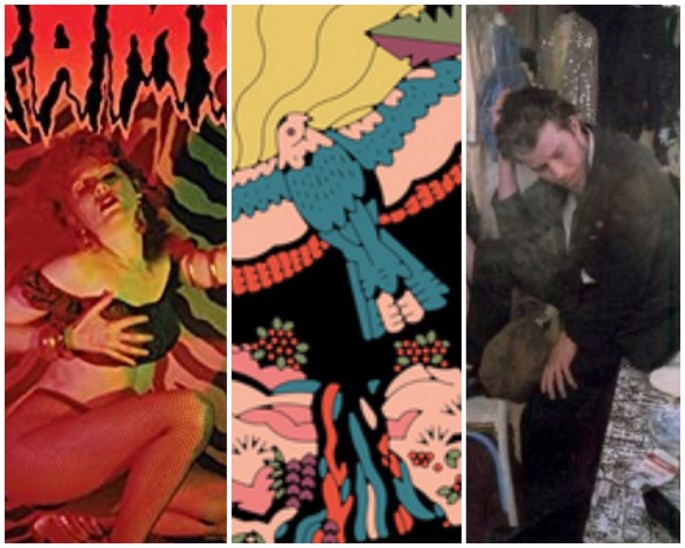
The Cramps – Stay Sick!
While mainstream America was reliving the 1950s via sock hops and malt shops in “Happy Days,” the Cramps slid a hand underneath the decade’s poodle skirt to celebrate rockabilly music, monster movies and pin-up girls.

The Cramps roared into the 1990s with Stay Sick!, a debaucherous offering every bit as good as their first few albums nearly a decade earlier. The band’s musk is evident just by reading the song titles on Stay Sick! If a whiff of “The Creature from the Black Leather Lagoon” and “Journey to the Center of a Girl” don’t get you going, dig their perversion of Bob Seger’s milquetoast “Old Time Rock and Roll” into the infinitely superior “God Damn Rock and Roll.”
This is the music your parents warned you about – and for good reason. If that doesn’t provide enough motivation, there’s a song called “Bikini Girls with Machine Guns” which is every bit as awesome as it sounds. C’mon. You know you want to.
Tom Waits – Small Change
Tom Waits’ fourth album plays like the daydreams of a janitor resigned to cleaning up a strip club as the sun rises and the last customer stumbles out. “Tom Traubert’s Blues” opens the album, a romantic fantasy set against a lush orchestra, borrowing the melody and chorus from “Waltzing Matilda.” Jim Hugart’s upright bass propels the next number, “Step Right Up,” a monologue that dances in the common ground between carnival barkers, beat poetry and TV preachers.
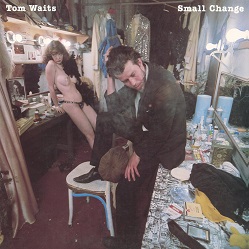
The rest of the album settles in between these two poles. Small Change is largely filled wistful, piano ballads with “Step Right Up,” “Pasties and a G-String” and “The One That Got Away” puncturing the fatigue of the late-night blues. Waits quotes a bit of Casablanca’s “You Must Remember This” in the opening and closing bars of “Bad Liver and a Broken Heart,” illuminating a major influence on the compositions here and the booze-fueled perspective from which Waits was writing.
Waits mined this same fertile territory across the half-dozen albums he released annually in the 1970s, but he never did it better than he did on Small Change.
Khruangbin – Mordechai
Working with vocals seems to please Khruangbin. After building an all-instrumental ouvre, the Texas funk trio released an EP with soul singer Leon Bridges earlier this year. Several months later, they released Mordechai, their third album, replete with singing.
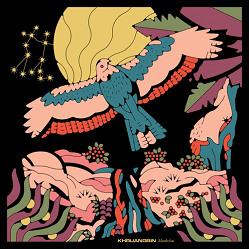
The disembodied vocals on “First Class,” the opening cut, give way to actual lyrics on “Time (You and I),” which recalls Kool and the Gang sans horns. While most songs feature vocals, the singing complements and reinforces the vibe set by the instruments. The upbeat “Pelota” features handclaps and Spanish lyrics delivered with so much gusto it is impossible to listen without moving your body to the rhythm. A couple other high points feature African elements. “Connaissais de Face” incorporates bits of film dialogue alongside African guitar elements and dub rhythm. The relaxing “So We Won’t Forget” floats on a midsummer breeze with its Afro-pop arrangement and chill vocals.
Far from being a gimmick, by the end of Mordechia it becomes clear that the human voice is yet another texture for Khruangbin to play with in their impressive musical arsenal. It will be fun to see where this leads them next.
 One of Strummer’s great discoveries during the 1990s was the Glastonbury Festival. The three-day summer festival combined two of Strummer’s passions: live music and camping. Every June his entourage would grow, eventually becoming a makeshift community dubbed “Strummerville.” Performances by the Prodigy, Bjork, Elastica and others at the festival fostered a love for techno music that would influence Strummer’s music for the rest of his life.
 The musical re-awakening Strummer experienced at Glastonbury carried over to his appearance (as a guest, not an artist) at Peter Gabriel’s WOMAD music festival. Listening to the acts from around the world perform, hanging out with musicians like Donovan and spending time at Gabriel’s Real World recording studio finally provided the tipping point for him to get serious about making his own music again.
 As Strummer watched the England’s racial minorities physically challenging the authorities, he wished his fellow Caucasians would have the courage to take a similar stand. Although written long before the Occupy movement, Strummer finally found a body willing to pick up his gauntlet:

 joelfrancis.com