(Above: “Better Together,” the closing song, taken from Jack Johnson’s concert at Sandstone Amphitheater on August 16, 2010.)
By Joel Francis
The Kansas City Star
Kansas may be a landlocked state, but for two hours on Monday night there was prime beachfront property in Bonner Springs.
Surfer-cum-songwriter Jack Johnson brought a mellow vibe that matched the cooler weather and gentle breeze. There were some empty seats in the middle section, but the lawn in back and area up front were both comfortably crowded.
The crowd started singing along on the opening lines of “You and Your Heart” and with the exception of a few tracks Johnson recorded with Hawaiian singer Paula Fuga, didn’t let up until the closing refrain of “Better Together,” the final song. Many songs were greeted with spontaneous exclamations by the fans in the back. More fortunate fans closer to the stage shouted their feelings directly at Johnson, who engaged them a couple times.
Backed by a three-piece band, Johnson let his lyrics carry the conversation, intermittently interrupting himself to point out the half moon hanging over the lawn or to read a sign from a fan who had driven 700 miles without sleep to see the show.
Stacked together, the similar tempo and feel of his songs blended together like the gentle sway of the tide washing against the shore. The atmosphere was amplified by a large, curved screen behind the band that projected pictures of swirling water, palm trees, album covers and, occasionally, the action onstage.
Along the way, Johnson was joined by several guests. Alo guitarist Dan Lebowitz who added some nifty slide guitar to a cover of Steve Miller’s “The Joker,” and texture to a couple ukulele-driven numbers. Fuga duetted with Johnson on “Turn Your Love,” one of his songs, and “Country Roads,” one of hers. G. Love brought some blues harp and much-needed energy to “Rodeo Clowns” and “At or With Me.”
The best cameos, however, came from within Johnson’s band. Bass player Merlo Podlewski burst from his fixed spot at the back of the stage to drop a lively rap into “Staple It Together.” Keyboard player Zach Gill was the secret weapon. He splashed some honky tonk piano into “Red Wine, Mistakes and Mythology” and added an elegant introduction to “Go On.” Gill gave “Mudfootball” a zydeco feel with his accordion solo.
Detractors may argue that too many of Johnson’s songs mine the same tempo and sound alike. It would be hard to refute that argument. But Johnson’s songs are also dominated by the concept of philia. Watching several thousand fans sing and celebrate together it’s impossible to deny he didn’t realize his dream, if only for a few hours.
G. Love – One of two opening acts, G. Love told the large crowd about a previous gig at the Grand Emporium when he drank so many gin and tonics he passed out against the microphone. Armed only with a harmonica and acoustic guitar, his 45-minute set would have fit nicely at that or any of Kansas City’s current blues clubs.
New song “Milk and Sugar” echoed Mississippi Fred McDowell’s “Coffee Blues.” “Freight Train Blues” was offered in the same arrangement Bob Dylan used on his debut recording, while “Mystery Train” featured a long instrumental introduction that made the familiar song unique. In between, G. Love delivered crowd-pleasing originals “Cold Beverages” and “Booty Call.”
Jack Johnson setlist: You and Your Heart; If I Had Eyes; Taylor; Sitting, Waiting, Wishing; The Horizon Has Been Defeated; Inaudible Melodies; To the Sea; Go On; Upside Down; Red Wine, Mistakes, Mythology; Bubbletoes; Mellow Mood (Bob Marley cover); Wasting Time; Breakdown; My Little Girl; Turn Your Love (with Paula Fuga, Dan Lebowitz); Country Road (with Paula Fuga, Dan Lebowitz); Flake (with Dan Lebowitz); The Joker (Steve Miller cover) with Dan Lebowitz; Banana Pancakes; Mudfootball; Good People; Rodeo Clowns (with G. Love); Staple it Together (with G. Love); At or With Me (with G. Love); Encore (Jack Johnson solo): Do You Remember; Home; Times Like These; Gone; Angel; Better Together (with full band, G. Love, Paula Fuga, Alo).
Two of the most iconic songwriters of the 1960s visited Kansas City just two weeks apart. But while patrons packed the Sprint Center and doled out big money to see Paul McCartney, acres of more reasonably priced empty seats could be found at Bob Dylan’s concert at Starlight Theater on Saturday night.
Part of this can be attributed to frequency. McCartney has only played Kansas City three times since the Beatles called it quits. Dylan rolls through town about every 15 months. But delivery also plays a big role. McCartney performs his beloved numbers exactly (or close to the ways) how everyone remembers them; Dylan plays nothing straight.
Saturday’s performance ran just shy of two hours and felt pretty much the same as Dylan’s many previous stops in town, including the show he played at Starlight just over three years ago. After opening with two tracks from the ‘70s – including a stunning “Senor (Tales of Yankee Power),” Dylan and his four-piece band ping-ponged between his golden era in the ‘60s and material cut in the past decade.
The best moments were the ballads. The delicate “Just Like A Woman” opened with a lengthy instrumental section that highlighted the subtle interplay between acoustic, electric and pedal steel guitars, and Dylan’s organ, his preferred instrument of the night. The instruments danced deftly until the signature descending guitar riff entered, heralding the first verse. “Workingman’s Blues No. 2” had a similar feel later in the set, and featured Dylan’s best harmonica solo of the night.
Dylan gave a nice treat when he paired two of the best numbers from his protest era. Almost a half a century after their debut, “The Ballad of Hollis Brown” and “The Lonesome Death of Hattie Carroll” remain a potent commentary on poverty and race. Their impact was muted, however, by an arrangement of “Hattie Carroll” that rendered the number nearly unrecognizable.
The band mined the Chicago blues for two newer numbers, “My Wife’s Hometown” and “Rollin’ and Tumblin’.” The former was the only time Dylan strapped on an electric guitar. It should have been repeated. His prodding duel with lead guitarist Charlie Sexton seemed to invigorate the rest of the band.
A slump in the final third of the set ended with a spectacular “Ballad of a Thin Man.” The lone illumination from the footlights added an other-worldly atmosphere to the song as Dylan stepped away from his keyboard and sang into a microphone set just off center, in front of the drums.
Reliable encores “Like a Rolling Stone” and “All Along the Watchtower” still pack a punch and hold pleasant surprises. Dylan intentionally dropped his vocals after the second chorus on “Like a Rolling Stone” to give the band some space to play and let Sexton take an extra solo. “Watchtower” came in a staccato fashion that resembled the far-off gallop of the riders’ horses, before they suddenly stormed the gates.
The Dough Rollers: Dylan’s attraction to this duo isn’t hard to spot. Their 35-minute opening set included covers of John Lee Hooker, Mississippi Fred McDowell and early gospel numbers. The pair sounds like they have just been pulled off an old field recording cut by Alan Lomax. Malcolm Ford sounds like he learned to sing by studying antique cylinder recordings. Jack Byrne’s bottleneck slide on “Were You There When They Crucified My Lord” was especially tasty. The set also included an interpretation of “Goin’ to Kansas City.” They would be a great show at B.B.’s Lawnside BBQ or Knucklehead’s.
Dylan’s setlist: Watching the River Flow, Senor (Tales of Yankee Power), Most Likely You Go Your Way (And I’ll Go Mine), My Wife’s Home Town, Rollin’ and Tumblin’, Just Like A Woman, The Ballad of Hollis Brown, The Lonesome Death of Hattie Carroll, Cry A While, Workingman’s Blues No. 2, Highway 61 Revisited, I Feel A Change Comin’ On, Thunder on the Mountain, Ballad of a Thin Man. Encore: Like a Rolling Stone, Jolene, All Along the Watchtower.
(Above: The Old 97s road-test the new song “Every Night Is Friday Night Without You.”)
By Joel Francis
The Kansas City Star
The 16-year history of the Texas-born Old 97s follows a trajectory well worn by other bands: start out with plenty of youthful energy and fire in the belly and gradually grow more mellow and/or pop-oriented. For theirThursday night’s performance at Crossroads, the alto-country quartet shrugged off its pop trappings and attacked their material with vibrant intensity.
The first sign of the evening’s energy came on the second song, “Dance With Me.” Recorded as a pop song for their latest album, 2008’s “Blame It On Gravity,” guitarist Ken Bethea tore into the main riff like a buzz saw, pushing the tempo to nearly double its original speed. When bass player Murry Hammond was given the mic shortly thereafter for a cover of Merle Haggard’s “Mama Tried” the band pushed and prodded the laid-back vocalist.
Flanked by Bethea and Hammond in nearly matching red plaid shirts, photogenic singer/front man Rhett Millershook his hips like Elvis behind his Stratocaster. He yelped, yowled and screamed his way through the 90 minute set list that featured as many cuts from their first album – four- as their latest.
The band’s third album, “Too Far To Care,” is widely considered its best. They treated the crowd to six cuts, or nearly half the album and they consistently received the biggest responses of the night. “Big Brown Eyes” and “Barrier Reef” got everyone dancing and Miller took an audience request of “Niteclub” during the encore.
Miller seemed to enjoy playing the scorned lover and dumping extra venom into likes like “I hope you crash your momma’s car” and “Thought so much about suicide/parts of me have already died” on back-to-back trips down lonely street during “Lonely Holiday” and “Wish the Worst.” A couple songs later, on “Melt Show,” he emphatically kicked the air during the chorus.
Bethea spurred Miller’s energy, leaping into the air at the start of “The Fool,” dropping a Dick Dale-style guitar solo into “Smokers,” another Hammond vocal showcase,” and adding a nice countermelody to the most delicate and upbeat song in their catalog, “Question.” His solo leading into “Timebomb,” the traditional closer, turned the already fast number into something like a punk song.
Drummer Philip Peeples was the brick on the accelerator that never let up. His cadences consistently pushed the band harder and faster. His kit was at the center of “Every Friday Night Is Lonely Without You,” a staccato-riffed song from the band’s upcoming fall album. It was the only song the half-capacity crowd didn’t sing or air guitar along to all night, but embraced just the same. Peeples also took nice mini-solos during “Doreen” and “Early Morning.”
Lucero rock the Bottleneck in 2008.
The drum solo after “Early Morning” led into a reading of R.E.M.’s “Driver 8,” one of covers the band cut for its new “Mimeograph” EP. The arrangement hewed closely to the original, but it was interesting to hear the lyrics through Miller’s enunciation.
Normally the more rambunctious of the two bands, Lucero was more subdued that night. Singer Ben Nichols embraced the band’s mellow side with numbers like the gospel piano ballad “Goodbye Again,” “Kiss the Bottle” and the one-two of “Hey Darlin’ Do You Gamble?” and “Nobody’s Darlings.”
The five-piece band displayed its Memphis roots by adding a two-piece horn section for a set that featured several cuts from last year’s album “1372 Overton Park.” Early in the set the horns competed with the pedal steel in the mix, but they soon settled in adding extra punch and depth. The brass gave “That Much Further To Go” and “Sixes and Sevens” an E Street sound.
Lucero’s 65-minute set ended with nearly everyone taking a solo during the joyous “All Sewn Up.”
Old 97s setlist: Streets of Where I’m From; Dance With Me; Won’t Be Home; Mama Tried (Merle Haggard cover); Lonely Holiday; Wish the Worst; The Fool; Smokers; Melt Show; Question; Stoned; Up the Devil’s Pay; Barrier Reef; Driver 8 (REM cover); Early Morning; Can’t Get A Line; Big Brown Eyes; Doreen. Encore:Every Night Is Friday Night Without You; Niteclub; The Easy Way; Timebomb.
(Above: Devo get “fresh” on the Jimmy Kimmel Show.)
By Joel Francis The Kansas City Star
Devo deserved better. Kudos to the local radio station for adding them to their Buzz Under the Stars lineup at City Market on Friday night, but the pioneering synth-pop band merited more than a 50-minute set shoehorned in with four other acts.
The five-piece band hasn’t played Kansas City in some time, and many in the crowd were seeing the band for the first time. They weren’t hard to spot. Many were sporting the group’s trademark blue energy dome hats that look like inverted Lego flower pots. Several more knew the precise moments to mimic singer Mark Mothersbaugh’s choreographed hand signals. At times they looked like a group of subversive air traffic controllers.
The five-piece band took the stage wearing matching gray suits with half-masks that looked like berets extending over the eyes. The kinetic keyboard riff to “Don’t Shoot (I’m A Man)” a track off the band’s first album in 20 years, showed they hadn’t lost any of their zany energy during the time off.
Music was only part of Devo’s multimedia message. A large LED screen behind the quintet showed clips from past music videos and footage designed to amplify the songs. The footage during “What We Do” commented on mass consumption and the arbitrary nature of elections as partying humans gradually regressed into simians. Another new song, “Fresh,” featured rapid-fire images of fruit and a bikini-clad derriere.
The diverse lineup prevented the crowd from completely gelling with the music for most of the night. The one exception came during “Whip It,” Devo’s Top 20 hit from 1980. For three minutes, everyone was a Devo fan, whipping the air and singing along.
The final third of the set was an about-face. Synthesizers were replaced with guitars as the band embraced the punk roots of its first two albums. Dressed in yellow radiation suits, the band delivered wonderfully sideways covers of “Satisfaction” and “Secret Agent Man.” Closing song “Jocko-Homo” found the crowd answering Mothersbaugh’s question “Are we not men?” with the hearty “We are Devo.” And then they were gone.
The transition from Devo to Silversun Pickups was jarring. The Los Angeles-based quartet opened with the dreamy wash of “Growing Old is Getting Old.” Their very vocal supporters made a lot of noise during a great performance of “There’s No SecretsThis Year” that somehow managed to find dynamics and texture in an abysmal sound mix.
Guitarist and singer Brian Aubert also gave a shout-out to all the fans that came out for the band’s free St. Patrick’s Day show at the Power and Light district last year. The 50-minute set ended with a run through three of the band’s biggest singles: “Substitution,” “Panic Switch” and “Lazy Eye.”
Ben Folds closed out the night. His one-hour set included favorites like “Kate” and “Annie Waits.” Accompanied only by his piano, the crowd was more than happy to pitch in. They sang all of Regina Spektor’s part on the duet “You Don’t Know Me,” provided three-part harmony to “Not the Same” and participated in a joyously profane call-and-response during “Rockin’ the Suburbs.” Folds also sang “Levi Johnston’s Blues” a track from his upcoming album, and rarities “Steven’s Last Night in Town” and “The Secret Life of Morgan Davis.”
Against Me! and Crash Kings completed the evening’s bill.
Devo setlist: Don’t Shoot (I’m a Man); Peek-A-Boo; What We Do; Going Under; Fresh; That’s Good; Girl U Want; Whip It; Planet Earth; Satisfaction; Secret Agent Man; Uncontrollable Urge; Jocko-Homo.
Few links remain to the golden age of Delta Blues. Most of the artists are dead, and the generation that followed grew up cities far away from sharecropping plantations. T-Model Ford’s appearance at Davey’s Uptown on Thursday night was a rare opportunity to witness firsthand the roots of the blues.
Ford drew a diverse group of about 60 fans, spanning several generations and including bikers, punk rockers, hipsters, musicologists and the curious. What they got was either an embarrassment of riches or way too much.
Fliers promised Ford would be performing with a band, but his only backing was Gravel Road drummer Marty Reinsel. Together the pair coaxed a sound that distilled nearly every traditional variety of the blues into one long shuffle. The guitar-and-drums duo played with a simplicity the White Stripes and Black Keys could only imagine.
There was no set list. For two and a half hours, including a 20-minute break, Ford flipped through the vast blues songbook in his mind and played whatever started coming out of his fingers. The results included well-known songs like “Hoochie Coochie Man” and “My Babe” and Ford originals such as “Chicken Head Man” and “Cut Me Loose.”
Seated on a cushioned chair, Ford looked completely relaxed. During the glacial pauses between verses he gazed across the room, a gentle smile on his face as if he had no cares in the world. Across Ford’s lap was Black Nanny, a Peavy electric guitar that looked like it had been stolen from a hair metal band. Ford twice called it the best guitar in the world.
Regardless of their origin, most songs were based on a two-chord shuffle that had nowhere to go and was in no particular hurry to get there. Most songs ambled along for about five minutes, several stretched to nearly twice that length. Ford’s smooth singing was almost stream-of-conscious, picking up verses halfway through, mixing stanzas and inventing new verses altogether.
Reinsel’s drumming was the element that held the set together. He held back on most songs, altering his emphasis ever so slightly to keep the endless boogies from becoming monotonous. The more aggressive rhythms on “Chicken Head Man” had a Keith Moon energy.
Between songs, Ford massaged the arthritis in his right hand. After one number, he declared it “Jack Daniels time” and downed the contents of the shot glass sitting on his amplifier. He told a story about getting married last week and told the women in the room that “If she flags my train, I’m going to let her ride.”
But what was hypnotic for some was tedious for others and near the end of the first set the chatter from the bar in the back of the room threatened to take over the space. After a 75-minute set, Ford took a break which eliminated many of the less-dedicated fans.
If the night had stopped there no one would have felt shortchanged. No one is sure of Ford’s age, least of all the man himself, but most peg his birth sometime during the Harding administration. Unlike many bluesmen, Ford didn’t start playing guitar late in life and didn’t record an album until 1997 when he was discovered by the Fat Possum label.
The hour-long second set reprised many of the favorites from the first set, including “Sallie Mae” and “That’s Alright.” By the third go-round of “Hoochie Coochie Man” what started as innocent started looking senile. It didn’t stop anyone from dancing, though. As a friend said at the end, when you’re 90 years old you can play the blues any way you want.
(Above: Sarah McLachlan and Emmylou Harris’ duet on “Angel” was the best musical moment of Lilith Fair 2010. The festival stopped in Kansas City on July 15.)
By Joel Francis The Kansas City Star
The sunglasses every artist wore onstage at Thursday’s Lilith Fair were more than a fashion accessory – they were as vital as the instruments.
For five of the festival’s eight hours of music, performers played directly into the sun. Singer/songwriter Ingrid Michaelson summed up the misery.
“It’s so hot out here I felt sweat dripping down my legs, and for a second there I thought I pulled a Fergie,” she said, referring to the pop star’s onstage pee incident.
The performers had it easy compared to the fans. After their 40-minute sets they could retreat to cooler confines. Fans had fewer options. Many ditched their seats and scrambled to whatever shade they could find. This made an already undersold Sandstone Amphitheater look even emptier.
All facilities past the second section of seating were closed. Drivers expecting to park in the main lot at the top of the hill were directed to the auxiliary lot. Fans with lawn tickets were upgraded to second-tier seats, while those with second-level seats could move down. As the sun shrank the crowd grew, filling most of the seating, but it was rough going for the early bands.
Vedera fared better than most acts. Sequestered to a tiny side stage, several hundred dedicated fans crowded into the awkward space to hear the local band deliver new gems like “Greater Than” and “Satisfy” in their half-hour set. Vedera was the last of three local acts, which also included singer/songwriters Julia Othmer and Sara Swenson.
Emily Haines of Metric, looking hot and bothered.
Metric was the first band to appear on the main stage, and red flag the fact that holding an all-day event in a venue with little no cover was a poor idea. The relentless sun rendered moot any lighting or special effects. When it was finally dark enough for these tricks to emerge, the video screens captured a static image of the Lilith Fair logo, meaning fans in the back had no close-up view of events all day.
The four-piece indie band’s dark synth pop isn’t built for daylight. Sound problems plagued the first couple songs, but what the atmosphere didn’t kill the temperature did. When you’re sweating just standing still, it’s hard to be convinced to dance. Singer Emily Haines did a robotic dance to the Big Brother-esque lyrics of “Satellite Mind,” and prefaced “Gimme Sympathy” with a bit of Neil Young’s “Hey Hey, My My.” Their set was heavy on last year’s “Fantasies,” but surprisingly did not include their contribution to the latest Twilight film, “Eclipse (All Yours).”
Michaelson had better success connecting with the sparse crowd with her jangly pop. Backed by a five-piece band, Michelson bookended her set with ironic covers, incorporating Lady Gaga’s “Pokerface” into her own “Soldier” and closing with Britney Spears’ “Toxic,” which featured everyone onstage in a synchronized dance. Both moves drew big cheers. In between, she delivered her hit “The Way I Am,” which recalled Regina Spektor’s quirky vocal phrasing, the bouncy “Locked Up,” and new song “Parachute.”
Halfway through the Court Yard Hounds’ set, Emily Robison found herself in trouble.
“This is a quintessential chick song,” she said, intending to introduce Joni Mitchell’s “This Flight Tonight.” The chick the crowd knew, however, was Robison’s main gig with fellow Yard Hound and sister Martie Maguire, the Dixie Chicks. The unexpected burst of delight flummoxed Robison for a moment.
“No, no, not that chick,” she said, trying to recover. “I mean a hippie chick.”
Robison and Maguire released three Dixie Chicks albums before singer Natalie Maines arrived and turned the group into superstars. When Maines bowed out of making new music, the sisters soldiered on. Their sound hews closer to Americana and roots music than the Chicks’ pop country, but suffers without Maines’ feisty spirit. “It Didn’t Make A Sound” featured a nice honky tonk piano solo, and “The Coast” was a pleasant tribute to the sister’s native Texas beaches, but it was too gentle to engage the crowd.
Sisters Nancy (left) and Ann Wilson, the heart of Heart.
Conversation ceased, however, when the sisters unleashed a furious bluegrass instrumental that had fans on their feet, clapping and stomping along. The set ended with a moment out of “O Brother, Where Art Thou?” when Maguire’s 6-year-old twin daughters joined the ensemble, tentatively playing percussion alongside their mother.
Emmylou Harris is the Mother Maybelle Carter of her generation, collaborating with everyone from Bob Dylan and Neil Young to Ryan Adams and Lyle Lovett. The artists everyone else on the bill respect as legends, she calls contemporaries. Yet even her distinct, wonderful voice wasn’t enough to sway the crowd. As with most artists during the day, the audience was divided between hardcore fans, politely curious listeners and everyone else, waiting impatiently for their act to appear. The ambitious and diverse bill ended up leaving everyone out at some point during the day.
Harris and her four-piece Red Dirt Band leaned heavily on her 1999 album “Red Dirt Girl,” mixing in the good old country of “Wheels” and “Born to Run” (a Paul Kennerly song, not a Bruce Springsteen cover). The most riveting moments were the a cappella gospel arrangement of “Calling My Children Home” and Harris’ own hymn, “The Pearl.”
Harris also shared the day’s best musical moment when she joined Sarah McLachlan on “Angel.” These multi-artist bills should have more of this synergy. Witnessing Harris and the Hounds collaborate on a Bill Monroe bluegrass number, or Haines join McLachlan on “Possession” would have been special events fans would treasure long after they had forgotten the heat and the ticket price.
Lilith Fair found Sarah McLachland closed out the day.
It wasn’t until Heart took the stage at 8:45 that the fair had its first galvanizing musical moment. The raucous blast of “Barracuda” eradicated the gentle sway of the afternoon and invigorated a crowd that had traded the sun for the moon and was finally ready to move. Sisters Ann and Nancy Wilson delivered a heavy slab of ‘70s rock that had fists pumping and hips shaking. Guitarist Nancy Wilson concluded her acoustic intro to “Crazy On You” with a scissor kick, cueing the rest of the six-piece band. Singer Ann Wilson was in top form, belting the refrain from the Rolling Stones’ “Gimme Shelter” during their own “Even It Up” and easily finessing the dynamics of “Magic Man.”
Lilith Fair founder Sarah McLachlan closed the day nearly eight hours after the first act appeared. The Vancouver native congratulated the crowd for braving the heat and rewarded them with many of her biggest hits, including “Building a Mystery,” “World On Fire” and “Adia.” She needlessly apologized before playing each of her three new songs, but the crowd responded well to those numbers as well.
Here’s a tip to established artists trying to introduce new songs: If you act proud of your new material, fans will be more likely to embrace it. Today’s new song is tomorrow’s sing-along.
The night ended with the gentle lilt of McLachlan’s “Ice Cream” before most of the day’s artists -– including Swenson, who shared a mic with the Court Yard Hounds -– joined together for a joyous romp through Patti Smith’s “Because the Night.”
Setlists:
Metric – “Twilight Galaxy,” “Satellite Minds,” “Help I’m Alive,” “Gold Guns Girls,” “Hey Hey, My My” > “Gimme Sympathy,” “Dead Disco.” Ingrid Michaelson – “Soldier” > “Pokerface,” “The Way I Am,” “Parachute,” “Maybe,” “Locked Up,” “The Way I Am,” “Toxic.”
Court Yard Hounds – “Delight (Something New Under the Sun,” “It Didn’t Make a Sound,” untitled new song, “Then Again,” “Fear of Wasted Time,” bluegrass instrumental, “The Coast,” “Ain’t No Son.”
Emmylou Harris – “Here I Am,” “Orphan Girl,” “Evangeline,” “Wheels,” “Born To Run,” “Calling My Children Home,” “Red Dirt Girl,” “Get Up John,” “Bang the Drum Slowly,” “Shores of White Sand,” “The Pearl.”
Heart – “Barracuda,” “Straight On” “Even It Up/Gimme Shelter,” “WTF,” “Hey You,” “Red Velvet Car,” “Alone,” “Magic Man,” “Crazy On You.” Encore: “What Is and What Should Never Be.”
Sarah McLachlan – “Angel” (with Emmylou Harris), “Building a Mystery,” “Loving You Is Easy,” “World On Fire,” “I Will Remember You,” “Forgiveness,” “Adia,” “Out Of Tune,” “Sweet Surrender,” “Possession.” Encore: “Ice Cream,” “Because the Night” (with most of the day’s perfomers).
(Above: Modest Mouse perform “Baby Blue Sedan” at a previous stop in Kansas City, Mo., at the Uptown Theater in March, 2009.)
By Joel Francis The Kansas City Star
Early in his first visit to Crossroads, Modest Mouse singer Isaac Brock was quick to point out the venue’s most distinctive feature. After the second song, he told the sold-out crowd the band had a “super awesome” gift for everyone: they each got to take home a wood chip.
The six members of the indie rock band were so excited about their present they flubbed the first verse of the next song “We’ve Got Everything.” After taking a brief moment to regroup they returned to the number with increased fervor. It was the only misstep of the two-hour set that found the band growing stronger with each number.
The set opened with slow, droning intro to “Gravity Rides Everything,” which gave way to a gentle wash of acoustic guitar. With three guitarists and two drummers, Modest Mouse’s songs were never lacking in texture. Frequently the band went one step further, substituting banjo, violin and keyboards. During “Gravity,” Brock held his acoustic guitar up to the speakers a la Pete Townshend for a nice burst of feedback. The combination of two trumpets and Brock’s banjo on “King Rat” and “Devil’s Workday” created a kind of demented Dixieland.
While two of the band’s biggest songs – “Float On” and “Florida” – were absent, they weren’t missed. The opening bars of nearly every number were greeted with huge cheers of recognition, regardless if it was a single like “Dashboard” or album cut like “Paper Thin Walls.” The 18-song setlist was democratically split between the band’s three most recent albums, with a few added nuggets. There was very little chatter during songs in the crowd or between them onstage; the music captured everyone’s attention.
“Whale Song” featured a lengthy opening and Brock’s signature guitar style. Brock has a way of bending notes while hitting them with the whammy bar that makes his guitar sound like a drunken Jew’s harp. Although touring guitarist Jim Fairchild, formerly of Granddaddy, shared the stage, Brock chose to do most of the heavy lifting. After “Whale,” each song seemed to build on the intensity of the previous performance. By “Devil’s Workday,” which featured another great stinging solo from Brock, and “Tiny Cities Made of Ashes” the band was cranking at 11.
That intensity made “Fire It Up” seem even more low-key, with the entire band riding Eric Judy’s loping bass line. “Blame it on the Tetons” had a gentle, folksy feel supported by Tom Peloso’s violin. New song “Here’s To Now” also featured Peloso’s fiddle, which had everyone clapping along to the two-step rhythm.
The biggest contrast of the night, however, may have been the response to “Parting of the Sensory.” Brock could never be mistaken for an optimist, but the audience danced and sang along to the nihilistic refrain of “someday you will die and somehow something’s going to steal your coffin” like it was the Jackson 5. It would have been the perfect ending, but the band had one more treat in “Black Cadillacs.” Even without the souvenir wood chip, it wasn’t a night anyone will soon forget.
Setlist: Gravity Rides Everything; The View; We’ve Got Everything; King Rat; Here It Comes; Fire It Up; Whale Song; Paper Thin Walls; Here’s to Now (new song); Baby Blue Sedan; Dashboard; Satin in a Coffin; Devil’s Workday; Tiny Cities Made of Ashes; Encore: Blame It On the Tetons; Third Planet; Parting of the Sensory; Black Cadillacs.
(Above: The primitive beauty of unaccompanied fireworks over the national Mall on July 4, 2010.)
By Joel Francis
The Daily Record
WASHINGTON, DC – Soul legend Gladys Knight took the stage staring into a sea of empty seats. It was three hours before show time, and the VIPs with reserved seats wisely avoided the blistering afternoon sun.
Knight, however, was undeterred. “This is a thing we used to call audience participation,” she hollered to the groundlings on the Capitol lawn who arrived hours before to stake a prime spot. Knight drew out each syllable of “par-tic-i-pat-ion” and drew cheers of delight from the exhausted but excited assembly of hundreds.
When Knight launched into a call and response, her words were thrown back with force and a smile crossed her face. After a few volleys, the band pumped the final vamp as she threw up her arms and walked from the stage. The 30-minute mini-set, which included a few instrumental runs through made the risk of heat stroke seem reasonable.
The blazing sun had been replaced with bright stage lights and television cameras when Knight re-emerged shortly after 8 p.m. After a brief welcome by MC Jimmy Smits, American Idol David Archuleta opened the show with the “Star-Spangled Banner.” Then it was time to get down to business.
The Empress of Soul emerged in a golden gown, flying into “Midnight Train to Georgia.” Knight’s voice was strong in the afternoon, but now she sang with even more soul and emotion. The words are the same, but the phrasing was different and they were delivered with a power has been honed over Knight’s half-century career.
Her voice rises in sharp contrast to Darius Rucker’s, who also sound checked in the afternoon. I realize his laid-back, what-you-see-is-what-you-get charm is a large part of his appeal, but there was very little difference between the run-through and televised performances. Rucker has a fine voice, but I hope he was paying attention.
Barely pausing after “Georgia,” the band hic-cupped into Knight’s 1969 hit “The Nitty Gritty.” Knight used the upbeat number to pay tribute to two of her departed Motown label mates, dropping in a healthy portion of the Jacksons’ “Shake Your Body (Down to the Ground)” and a sample of a Rick James number. Then it was time to finish business with her biggest hit, “I Heard It Through the Grapevine,” which showed no signs of age.
And that was it. Ten minutes, three songs, and she was walking offstage. Afterward people started asking me if it was worth it to trek to the Mall so early and broil for so long. Absolutely. Knight’s presence cemented my attendance, but I likely would have gone anyway. As far back as I can remember, my family always gathered around the television on the Fourth of July to watch the PBS broadcast from the capital. And now, with my parents rooting me on from their air-conditioned living room, I was there.
The performances I remember from growing up were classical and marching band pieces, so the National Symphony Orchestra’s patriotic overture from “George M.” and classical pianist Lang Lang’s solo adaptation of “Stars and Stripes Forever” resonated the most deeply. Once the shock of hearing Sousa’s most famous number without horns wore off, Lang’s performance was quite profound. The lines typically dominated by trombones and tubas was intricate and dissonant, while the familiar piccolo refrain had a ragtime feel.
Although the Capitol lawn is vast, it was easy to forget about the thousands of people standing behind me and the hundreds of thousands gathered behind the stage, on the Mall. In a way, the “Capitol Fourth” broadcast felt like any concert in the park, albeit one with TV cameras and A-list talent. As John Schneider (aka Bo Duke) led a recap celebrating the 30th anniversary of the broadcast, I abandoned the concert grounds and headliner Reba McEntire and to be part of the teeming masses camping around the Washington Monument.
The high-profile event disappeared with every step. The lawns on the Mall were filled with tents, displays and crowds oblivious to the concert behind them. Walking through one block I encountered an expanse of grass filled with multi-colored tents bearing signs like “Yoga and Meditation” and “Free Feast.” The tent most intriguing to me featured live traditional Indian music. The artists onstage were nearly obscured by smoke, and the crowd was sparse, but there were more people dancing than watching.
A block further, I spotted what I thought to be a poetry slam backed by a live drummer. Upon closer inspection it was a different sort of poet, a fevered evangelist in the middle of a passionate altar call. I briefly raised my hand in solidarity and pressed on.
An orange band hovered on the horizon above the Lincoln Memorial when the fireworks started shortly after 9 p.m. Unlike all previous July 4th celebrations I have attended, the carnival of explosions around the Washington Monument burst without accompaniment. The muffled pops and sizzles from each multi-color detonation was met by the collective oohs and ahs of thousands. In place of orchestration, my ears were treated to a kaleidoscope of accents, dialects and languages, punctuated by the occasional far-off siren or barking vendor. It was one of the rare moments in my life when music was rendered completely redundant.
For 20 minutes we stood united by a common gaze in the sky, a diverse collection of tourists from all parts of the map. Although the horde easily exceeded the audience created by the simultaneous emptying of Kauffman and Arrowhead stadiums, the Kansas Speedway and Sprint Center, there was no whiff of anger or danger. Small children danced in front of their strollers as teen-agers texted their friends and old-timers remembered when. It would be poetic to say that when the display ended we all went back to our respective lives, but in reality we all just swarmed to a different location – the subway stations.
(Above: The video for “Me and the Devil,” a track from his 2010 album “I’m New Here.”)
By Joel Francis
The Daily Record
WASHINGTON, DC – The “more info” tab on the Blues Alley Website informs the curious that Gil Scott-Heron attended Lincoln University in Pennsylvania because it was the alma mater of his hero Langston Hughes and that he has a Master’s degree in creative writing from Johns Hopkins University. Informative, but hardly enlightening.
From the twilight of the ‘60s until the early ‘80s, Heron was a groundbreaking artist, fusing poetry, jazz and soul into militant anti-establishment statements. The first chapter of his career extended from the high point of the Black power movement to its nadir, the height of the Reagan administration.
Heron has only released two studio albums since 1982, appearing more often as a sample in works by Public Enemy, PM Dawn and Kanye West, and making the news for his intermittent stays in prison. Heron responded to both occasions the way he handled everything during the next-to-last show of his summer residency at Blues Alley: with humor.
“The first thing you do when you find out you’ve been sampled,” Heron said “is go someplace private and make sure everything is in the right place. Then you want to want to play the song every once and a while make sure it’s still alright.”
After a shout-out to Common, who sampled the song “We Almost Lost Detroit” for his 2007 single “The People,” Heron proceeded to play the original number without the signature keyboard line that had been lifted. Few seemed to mind.
On prison, Heron poked at critics who said his sentences had made him sound unhappy on his new album “You might be unhappy when you go in, but you’re sure not when you come out.”
Dressed in a dark beret, oversized suit jacket and baggy, untucked white dress shirt, Heron split his time between standing behind the mic and sitting behind a Fender Rhodes. His voice was in fine form, gruff, but not as raw as on “I’m New Here,” his aforementioned new record. Halfway the nearly two-hour performance he was joined by a four-piece ensemble of keyboards, saxophone/flute, congas and harmonica.
Heron opened with 15 minutes of stand-up comedy, riffing on Black History month, cable news experts, meteorology (“I’ll tell you what a high-pressure front is: Three bothers walking toward you smoking a joint.”) and inventing your own “ology.” He joked about the volcano that stymied his – and many other’s – travel plans and the difficulty pronouncing its name.
“Does Norway have a brother who sells consonants?” Heron asked. “It seems like they put every vowel in a row then tell you ‘say that.’”
He was just as chatty when the songs began, opening “Winter in America” with a lengthy retelling of the African folk tale that inspired the metaphor. He recounted the history of jazz, from its brothel-parlor origins to big bands, before “Is it Jazz.”
“Is It Jazz” provided the first explosive moment of the night, igniting the previously silently respectful crowd with the succession of solos. Saxophone and flute player Carl Cornwell was the perfect foil for Heron’s verbose verses, punctuating each phrase with a sharp blast from his horn.
Despite the fierce and sometimes bleak politics of Heron’s lyrics, the night was relentlessly upbeat. “Detroit,” a dark recollection of a near nuclear meltdown in the Motor City flowed seamlessly into the hope-filled refrain of “Work For Peace.”
The night ended with “The Bottle,” one of Heron’s most popular songs that hit No. 15 on the R&B charts in 1974. Buoyed by a funky organ line, the lyrics paint a harrowing portrait of alcoholism in the inner city. It was odd when Heron gave a short designated driver PSA before the song, and even more puzzling when the band moved into a joyous chorus of “Celebrate, Celebrate, Celebrate.” But for whatever reason, it worked and everyone in the club had smiles on their faces as they sang along.
As the crowd shuffled outside, the line for the 10 p.m. show snaked around the block. For the previous four nights, Heron had played two shows each evening, and the upcoming performance was the 10th and final of his stay at Blues Alley.
It was clear the set wouldn’t start on time, but the fans in line fed off the beaming faces of the emerging crowd and started to whoop and holler in anticipation. They would not be disappointed. Although there was no encore, and Heron omitted his two biggest numbers, “The Revolution Will Not Be Televised” and “Johannesburg,” the evening felt more than complete.
A note on the venue: Blues Alley is literally tucked away in an alley off Wisconsin Street in the Georgetown district of D.C. The sun was bright outside when I entered, but it was dark as midnight inside. The only illumination came from small candles placed at the center of each circular, formally decorated table. With its old brick walls and thick ceiling timbers, it felt like walking into a colonial cellar. The tiny stage barely had enough room for the grand piano, let alone the emerging quintet. A waitress told me the venue was originally a colonial carriage house that was converted into a jazz club nearly 50 years ago.
Setlist: Stand-up set, Blue Collar, Winter in America, We Almost Lost Detroit > Work for Peace, Is It Jazz, Pieces of a Man, Three Miles Down, I’ll Take Care of You, The Bottle > Celebrate, Celebrate, Celebrate.
(Above: Michael Franti and Spearhead perform at the Electric Picnic Festival in Ireland.)
By Joel Francis
The Kansas City Star
Michael Franti and Spearhead were just starting their new song, “The Sound of Sunshine” when the first drops of rain appeared. By the guitar solo they were landing regularly. At the end it was obvious the rain wasn’t moving on.
The building storm intensified “Yell Fire,” the politically charged next number, but Franti was undeterred, worming his way through the crowd, getting wet with the masses that filled two-thirds of Crossroads to see him on a Sunday night. As Franti made his way back onstage he pulled some musicians from the crowd who lead an impromptu jam on “Smells Like Teen Spirit.” When the song ended Franti’s voice could be heard, but he was nowhere to be seen.
Michael Franti spent nearly as much time in the crowd as he did onstage. (Photo by Travis Beye.)
“Those of you in front, turn around,” Franti’s voice boomed, and there he was, standing on something in the middle of the lawn, acoustic guitar around his neck, water dripping from his dreadlocks, tattooed skin glistening. “Hey Hey” was already a pretty infectious song, made all the more so by the troubadour standing among us. As everyone sang along, Franti worked in a few bars of “Singing in the Rain” and how great the weather was in Kansas City.
That is it about water falling from the sky that makes every note hit deeper? Couples dance closer, hands clap harder and voices sing louder. The rain erodes social boundaries, arbitrary delineations of Our Group and Their Group and baptizes everyone in the communal experience of music.
The encore found everyone in the band down in the pit with the crowd, banging away at their instruments as if oblivious to the relationship between water and electricity. With the audience packed around, joining in on vocals and percussion, for a moment it almost felt like summer camp.
The first half of the concert couldn’t compare to the hour that developed in the downpour. Backed by a six-piece band, Franti delivered old favorites, like an acoustic arrangement of “Sometimes” that allowed for several solos, and new songs like the current single “Shake It Shake It,” which found everyone doing just that. Another stand-out track from the forthcoming “Sound of Sunshine” album was “Never Too Late,” a ballad about angels and life Franti wrote in the hospital while recovering from an emergency appendectomy last summer. It sounds corny, but he made it poignant.
At six feet, five inches, Franti is hard to miss, even in a chicken mask. Spearhead invaded the last song of opening act One Eskimo’s set dressed in Mexican wrestling masks. The band roughhoused around the stage and eventually hoisted the singer and bass player on their shoulders mid-song.
One Eskimo returned the favor during the final number of Spearhead’s two-hour set, appearing onstage with a sizable class of children culled from the crowd for “Say Hey (I Love You).” Spearhead’s surprise hit from last summer had everyone singing along from the first note, and Franti was happy to share the mic with the young fans onstage.
After everyone in both the elevated and ground-level audiences had their fill of singing and dancing, Franti discovered a wind-up, cymbal-playing monkey, which he happily held up to the mic and let have a solo.
A new rhythm came out of that, and Franti coaxed a boy to do the robot, much to the delight of the crowd. The rain was still coming down, but no one wanted to leave. When you’re this wet, what’s a few more drops?
Setlist: Love Don’t Wait, The Thing That Helps, Rude Boys Back in Town, All I Want Is You, Hello Bonjour, Shake it Shake It, Right On Time, Sometimes, Never Too Late, Sometimes, Everyone Deserves Music, Light Up Ya Lighter, Only Thing Missing Is You, Sound of Sunshine, Yell Fire, Hey Hey, I Won’t Leave You Alone, I’ll Be Waiting. Encore: Yes I Will, I Got Love For You, Say Hey (I Love You).


 Stacked together, the similar tempo and feel of his songs blended together like the gentle sway of the tide washing against the shore. The atmosphere was amplified by a large, curved screen behind the band that projected pictures of swirling water, palm trees, album covers and, occasionally, the action onstage.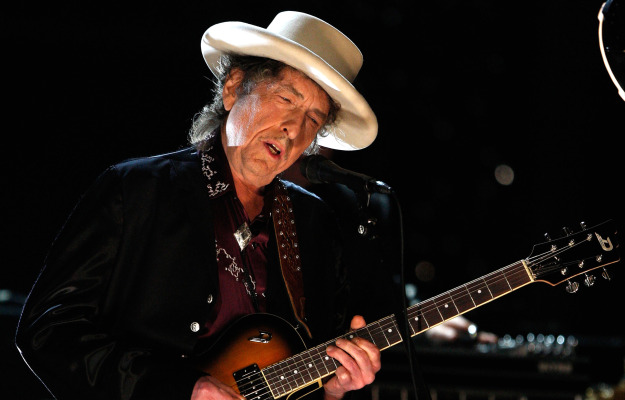





 joelfrancis.com